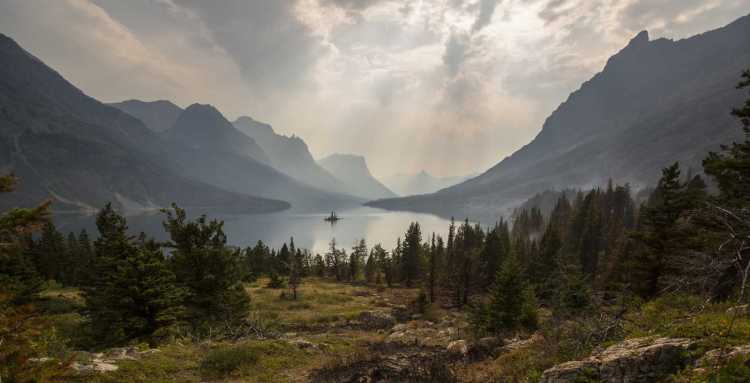
While I’ve been living under self-isolation rules for about 8 weeks, I’ve been trying to take time to appreciate the slowness, to reflect, and to learn. In terms of my writing and this space, I’ve been a bit deadlocked about what to write: I have more draft blog posts waiting to go up on the site than published posts: the direction I intended to start with is no longer quite right, and the shift I’m feeling in the world is calling for a different approach. But it’s taken some time to figure out what on earth I AM trying to do!
It turns out that the shift is really rooted in the questions I’ve been asking for 20 years. I find myself realizing that I can and should study these questions, that I have the tools, experience, and education to explore the ideas that pull on me, and that this is perhaps the most perfect moment to dive in. When I first started writing for a public audience this year, I needed to talk about some of the difficulties I’d experienced in the modern professional world, but it felt flat to dive in too deep. And, in the end even that approach was really rooted in an exploration of how to re-establish our connection to the natural world within the context of our then-normal working lives. Of course, as I think and write today, it’s so clear how convergent my path has been.
Perhaps some of the reasons that I haven’t found the right approach until now is the sheer volume of questions and issues that I find related to these basic questions. Thinking about almost any topic – technology, science, religion, history, etc. – they all have a place in our story, and they all interest me. But now that I’ve got some experience behind me, and we are living through the first pandemic in living memory, the starting points are becoming more clear.
Earth Day is Every Day. Yes, I said it backwards, and I mean it that way. I do my best to remember every day that we live on Earth and that our actions have an impact. That, if we are not careful, our actions will destroy the possibility of a future with people (but not the earth or life as a whole, most likely). So if we are interested in ensuring that our future selves and future generations of people can live here, we need to be nicer to Earth. Plus, the overwhelming research shows that people are better – less stressed, more healthy, and happier – when they have regular contact with natural elements, especially trees, running water, and birds.
This last part, about personal health, which so easily scales to public health, is where I want to focus today. Because talking about plastic pollution, the (former) hole in the ozone, and the concentration of CO2 in the atmosphere that will tip us into an uncertain future, are vitally important issues that are also scary, off-putting, may feel impossible for an individual to tackle, and (in the U.S.) have become highly politicized. But the issues around mental health, personal wellness, happiness, and public health, those feels a bit more approachable. When we think about our own health, it might be easier for someone to give it their attention, and this may help us overcome some of the polarization that comes to the surface when we talk about “environmental” issues.
If we can take a positive from quarantine, I want it to be that we can have (not make, can have) the time to connect with the parts of life that make us human. That’s different for everyone, but a few stand-outs that seem to be emerging are spending time outside, exercising, and baking bread. All of these are about slowing down, removing from the rat race, and taking time to do something that feels good, that fills us up, and that connects us with the world around us, not the world inside our phones and offices. Just like developing robust communities among people is essential to mental health and a functioning society, cultivating connection with the natural world is essential to us finding peace, health, and moving forward in a way that ensures our ongoing existence.
I think that one of the biggest mistakes advocates sometimes make is telling people how to “save the earth.” If we’re going to succeed, we truly need everyone on board, together, making the best decisions they can. This means that people need to feel included, valued, and empowered. We need to give people space for mistakes, the opportunity to focus on the actions that feel most approachable to them, while at the same time moving toward significant changes at national and global scales that affect pollution and fuel consumption.
And I think it all starts with building a connection to the world around us. If we feel like we belong, like we understand our place in the living world, we can wish to make the living world better. So I ask that you take a moment today to notice something outside – a bird, a tree, new grass, a millipede, a creek, a puddle – and take a moment to really see its place in the world. What is it eating, how is it moving, where is it going? That’s all, no more. But do it again tomorrow. And I’ll do it too (probably for quite a bit more than a moment, because I want to and also because I have a toddler and she is weirdly obsessed with and also afraid of bugs). The more we can all do this, the more we will connect to the rhythm of life and the rhythms of earth. And this connection will bring us closer to understanding, to community, and to a better future, for us as individuals, societies, and a global collective.
 Out There With the Trees